

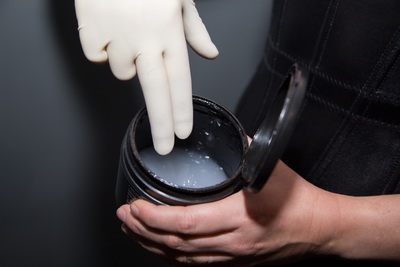
The right lubricant can turn a good toy session into a smooth, intense experience. It reduces friction, makes insertion more comfortable and helps toys glide exactly where you want them. But water-based, silicone-based and oil-based lubes behave very differently—and the wrong combination can damage a toy, weaken a condom or leave you with an awkward cleaning job.
So which is the best lube for sex toys? There is no single winner for every situation. Your choice depends on the toy material, the type of play, whether you use condoms or other barriers, and how long you want the lubricant to last. This guide gives you the practical answer without vague promises or bedroom mythology. If you are new to lubricant, our beginner's lube guide explains dosage and safe first use.
- 1 Water, silicone or oil: the quick answer
- 2 Why lubricant matters when using sex toys
- 3 Water-based lube: the versatile all-rounder
- 4 Silicone-based lube: maximum glide and staying power
- 5 Oil-based lube: luxurious glide with important limits
- 6 Choosing lube by toy material
- 7 The best lube for different kinds of play
- 8 How to use toy lubricant properly
- 9 Frequently asked questions about sex toy lube
- 10 Conclusion: choose for the toy, the barrier and the session
Water, silicone or oil: the quick answer
- Water-based lube offers the broadest toy and condom compatibility. It is usually the safest default when you are unsure.
- Silicone-based lube stays slippery for longer and performs well during extended anal play, intense masturbation and play in water. It may not be suitable for silicone toys.
- Oil-based lube gives a rich, long-lasting glide but is harder to clean and must not be used with latex or polyisoprene condoms.
Always check both the lubricant label and the toy manufacturer's care instructions. “Body-safe” does not automatically mean compatible with every toy or barrier material.
Why lubricant matters when using sex toys
Arousal and natural lubrication are not the same thing. Even when you are fully turned on, a toy can create more sustained pressure and friction than fingers or a penis. Anal play always requires added lubrication because the rectum does not produce its own.
Enough lube can make a steel plug, dildo, stroker or vibrator easier to control and more pleasurable to use. Too little can cause uncomfortable pulling, irritation or small tissue injuries. Lube is not there to hide pain, however. If insertion hurts, stop, add more lubricant, slow down and reassess the angle or toy size. Sharp or persistent pain is a signal to stop—not a challenge to push through.
Water-based lube: the versatile all-rounder
Water-based lubricant is the easiest recommendation for most toy collections. It works with silicone, stainless steel, glass, ABS plastic and most softer elastomers. It is also generally compatible with latex, polyisoprene and polyurethane condoms, although the instructions on the barrier product should always take priority.
Advantages of water-based lubricant
- Compatible with almost every common sex toy material
- Suitable for most condoms and barriers
- Easy to rinse from the body and toys
- Less likely to leave stubborn residue on bedding
- Available in thin, thick and gel-like consistencies
A thicker water-based anal lube can give plugs and larger toys more cushioning and control. A lighter formula often feels more natural for vaginal play, external stimulation or masturbation. Texture matters just as much as the base ingredient.
Disadvantages of water-based lubricant
Water evaporates, so this type of lube can become sticky or dry out during a long session. You may need to add more. In many cases, a few drops of water can reactivate the remaining lubricant, but follow the product directions.
Water-based does not mean irritation-proof. Fragrances, flavours, warming ingredients or other additives may not suit sensitive skin. If you are prone to irritation, choose a simple, fragrance-free formula and stop using it if you notice burning, itching or swelling.
Silicone-based lube: maximum glide and staying power
Silicone-based lubricant does not evaporate like water-based lube. A small amount can stay slick for a long time, making it popular for anal sex, larger toys, prolonged edging and intense masturbation. It also keeps working in the shower or bath because it is not readily washed away by water.
When silicone lube works especially well
- Long anal sessions with plugs or dildos
- Stainless-steel and glass toys
- Water play in the shower or bath
- Situations where frequent reapplication would interrupt the mood
Silicone lube is generally compatible with common condom materials, including latex. As always, confirm this on the packaging of the specific lubricant and condom.
Can you use silicone lube with silicone toys?
Only when the toy manufacturer explicitly says that you can. Some silicone lubricants can interact with some silicone toy surfaces, potentially making them swell, soften or become tacky. High-quality silicone products are not all chemically identical, so the word “silicone” alone cannot tell you whether a combination is safe.
If compatibility is not clearly stated, use water-based lube on a silicone toy. A small spot test on an inconspicuous area can reveal an obvious reaction, but it does not replace the manufacturer's instructions. Check the test area after several hours rather than assuming that no immediate change means no risk.
Cleaning silicone lubricant
Its staying power also means more cleaning. Silicone lube may require a thorough wash with warm water and a suitable toy cleaner or mild soap, depending on the toy's care instructions. Never submerge a toy with electronics unless it is rated as fully waterproof. Silicone lube can also mark fabrics, so protect bedding if that matters to you.
Oil-based lube: luxurious glide with important limits
Oil-based lubricant feels rich, slippery and long-lasting. It can work well for external masturbation and with certain non-porous toys, provided the manufacturer approves it. Purpose-made intimate oil is a better choice than improvising with a random household product, which may contain fragrances or other ingredients not intended for genital or anal use.
The condom warning
Do not use oil-based lubricant with latex or polyisoprene condoms. Oil can weaken these materials and greatly increase the risk of tearing. Some polyurethane barriers may be compatible with oil, but never guess: check the condom packaging and lubricant instructions before play.
Toy compatibility and cleaning
Oil may be suitable for stainless steel, glass or some hard plastics, but only if the toy maker permits it. It can interact with certain soft or porous materials and can be difficult to remove from seams and textured surfaces. Residue may also trap dirt and make hygienic cleaning more demanding.
Oil-based products can stain sheets and clothing. They are also a poor choice when you want a quick wash-and-go finish. If your session involves several toys made from different materials, water-based lube is usually the simpler option.
Choosing lube by toy material
Stainless steel
High-quality stainless-steel toys are non-porous and highly versatile. Water-based and silicone-based lubes are usually both suitable and create an excellent glide. Oil-based formulas may also be possible if the product instructions allow them. The cool weight of steel plus a generous layer of lube can deliver powerful pressure without unnecessary drag.
Glass
Non-porous borosilicate glass generally works with water- and silicone-based lubricants. Oil may also be compatible, but check the manufacturer's directions. Inspect glass toys before every use and retire them if you find chips, cracks or sharp damage.
Silicone
Water-based lube is the reliable default for silicone toys. Use silicone-based lubricant only when the manufacturer confirms compatibility. Oil compatibility varies and should not be assumed.
ABS plastic
Hard ABS plastic normally works well with water-based lubricant. Some products also permit silicone lube, but the manufacturer's instructions should decide. Pay extra attention to seams, charging ports and waterproof ratings during cleaning.
TPE, TPR and other soft materials
Compatibility can vary significantly between formulas. Water-based lubricant is generally the safest starting point. These materials may also be porous, which makes careful cleaning and complete drying especially important. Avoid silicone- or oil-based lube unless the toy maker specifically approves it.
The best lube for different kinds of play
Anal toys and plugs
Use plenty. A thick water-based anal lubricant offers broad compatibility, while silicone lube gives longer-lasting glide with compatible metal or glass toys. Reapply whenever the movement stops feeling smooth. Never use numbing lubricant for insertion: pain is valuable feedback that helps prevent injury.
Vaginal toys
Water-based lube is the most flexible choice, especially for silicone vibrators and dildos. Start with a small amount and add more as needed. If you are sensitive to additives, look for an uncomplicated, fragrance-free formula.
Masturbation and external play
Water-based lube is easy to clean, while silicone or oil-based products offer a longer glide. Your toy material and condom use determine which options are appropriate. Remember that oil can degrade a latex sleeve or barrier just as it can a latex condom.
Shower and bath play
Water-based lube rinses away quickly in running water. Silicone-based lubricant is normally the more practical choice, provided it is compatible with the toy. Be careful: spilled silicone lube can make shower floors dangerously slippery.
How to use toy lubricant properly
- Check the toy material, lube label and condom instructions before combining them.
- Apply lubricant to both the toy and the part of the body it will touch.
- Begin slowly and add more whenever you feel dragging or excess friction.
- Keep the bottle opening clean and avoid touching it directly to the anus, genitals or a used toy.
- Clean the toy according to its specific care instructions after every use.
- Allow the toy to dry fully before storing it separately from incompatible materials.
Do not rely on saliva as your main lubricant. It dries quickly, provides limited cushioning and can transfer microorganisms between mouths, genitals and the anus.
Frequently asked questions about sex toy lube
What is the safest lube for sex toys?
Water-based lubricant has the broadest material compatibility and is the best default when you are uncertain. That does not guarantee that every formula will suit every person, so check the ingredients if you have known sensitivities.
What is the best lube for a metal dildo or plug?
Both water-based and silicone-based lubes usually work well with high-quality stainless steel. Choose water-based for easy cleaning or silicone-based for longer-lasting glide. If condoms or barriers are involved, confirm their compatibility too.
Will silicone lube ruin every silicone toy?
No, but some combinations can damage the toy's surface. Use silicone lube only when the toy manufacturer confirms that it is compatible. Otherwise, choose water-based lube.
Can I use oil-based lube with a condom?
Not with latex or polyisoprene condoms. Some polyurethane condoms may permit oil-based lubricant, but you must check the specific product instructions rather than relying on the material name alone.
How much lubricant should I use for anal play?
Enough to keep the toy and entrance generously coated throughout the session. There is no fixed amount because toy size, movement and session length vary. If you feel friction, stop and add more.
Can I mix different lubricants?
Mixing formulas can change their texture and may complicate material compatibility. Unless the manufacturers state that the products can be combined, use one compatible lubricant at a time.
Conclusion: choose for the toy, the barrier and the session
For the simplest answer, choose water-based lube: it works with the widest range of sex toys and barriers. Choose silicone-based lube when you want an exceptionally durable glide with compatible steel, glass or hard-plastic toys. Choose oil-based lube only when the toy and any barrier explicitly allow it and you are prepared for more involved cleaning.
Compare our lubricants for sex toys and sex by base, texture and manufacturer guidance. The best lubricant is the one that keeps your play smooth, controlled and compatible with everything in the scene. Check the materials, use a generous amount and listen to your body. Friction should intensify the fantasy—not end the session.


