

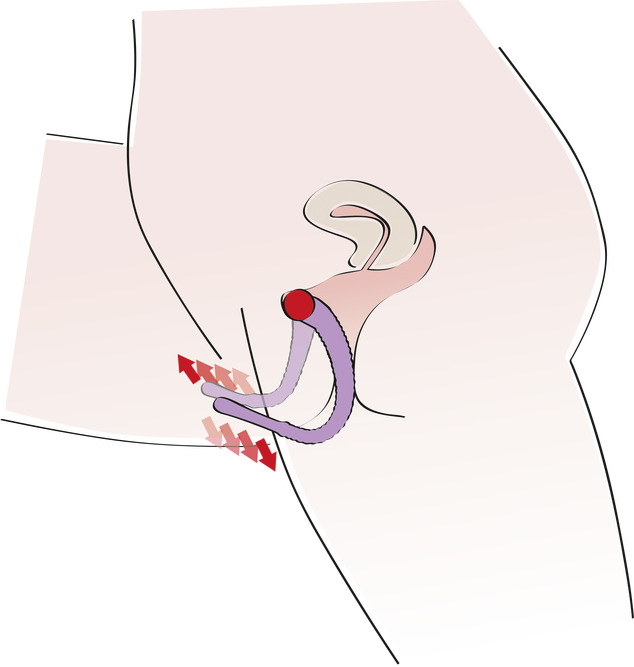
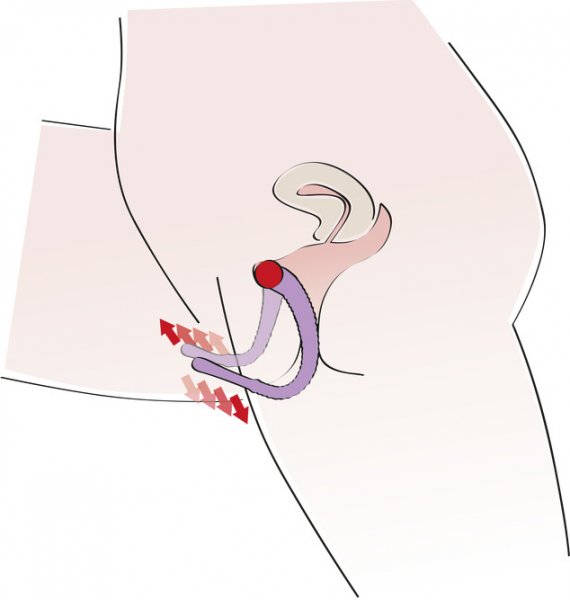
A labia spreader holds the outer or inner labia apart, depending on its design, and may increase visibility, access or a feeling of exposure. The device contacts sensitive skin, superficial nerves and well-perfused tissue. Fit and control matter more than achieving the widest opening.
This guide covers selection, consent, material care and warning signs. It is not an escalation plan and sets no target to reach. Anatomy, sensitivity and comfort vary; a design that suits one person can be unsuitable for another.
- 1. Function and individual vulval anatomy
- 2. Material, surface and construction
- 3. Fit rather than maximum spread
- 4. Consent and control in solo or partnered play
- 5. Circulation, nerves and pressure points
- 6. Skin, symptoms and health factors
- 7. Cleaning, drying and storage
- 8. Combining lubricant, toys or bondage
- 9. Aftercare and medical warning signs
- 10. Body image without a norm or performance target
- 11. Local categories and related guides
- 12. Medical sources and conclusion
- 1 Function and individual vulval anatomy
- 2 Material, surface and construction
- 3 Fit rather than maximum spread
- 4 Consent and control in solo or partnered play
- 5 Circulation, nerves and pressure points
- 6 Skin, symptoms and health factors
- 7 Cleaning, drying and storage
- 8 Combining lubricant, toys or bondage
- 9 Aftercare and medical warning signs
- 10 Body image without a norm or performance target
- 11 Local categories and related guides
- 12 Medical sources and conclusion
Function and individual vulval anatomy
Labia vary in length, thickness, asymmetry, colour and sensitivity. This diversity is normal. A spreader does not correct anatomy; it temporarily changes the position of tissue. The clitoral glans, urethral opening and vaginal entrance are nearby and need protection from edges and focused pressure.
A product name does not establish which area a design will contact. Clear photographs, dimensions, adjustment range and instructions help with selection. If the intended fit does not make sense for the individual anatomy, declining the product is safer than improvising.
Material, surface and construction
Contact points should be smooth, clean, intact and identified for body contact. Rough seams, burrs, flaking, corrosion, sticky changes or unknown coatings may irritate or injure skin. Decorative parts must not catch or pull sensitive tissue.
Metal, silicone and other materials differ in weight, flexibility, heat conduction and cleaning needs. Marketing words are not a material specification. Known nickel, latex or other contact allergies require close attention to composition; unclear information is a reason not to use the product.
Fit rather than maximum spread
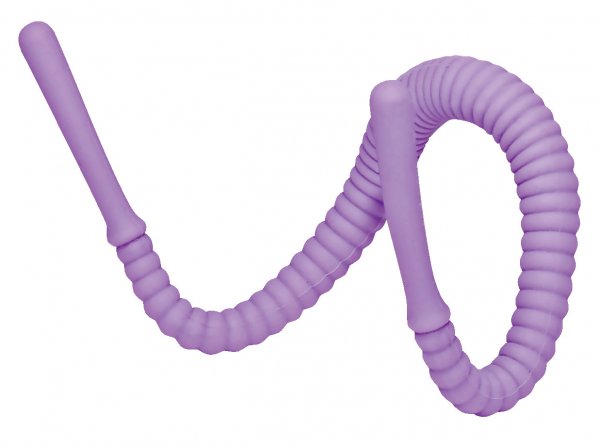
A suitable fit holds the intended tissue without cutting, sliding or loading one point heavily. A wider opening is not a quality goal. The device must remain controllable and removable without frantic pulling. Adjusters must not move tighter or wider unintentionally.
Do not add tension, weights or improvised extensions. If a design stays in place only through force, constant adjustment or ignoring pressure pain, it does not fit. A different design or no device is safer than escalation.
Consent and control in solo or partnered play
In solo play, the user remains able to reach the device and monitor fit and sensation. With a partner, consent applies to every change and can be withdrawn without explanation. A safeword plus a non-verbal signal becomes especially important when dominance or any other restraint is involved.
The receiving body decides when to stop, not the planned scene or visual effect. Genital wetness and arousal do not prove consent. Specific questions such as “pressure or pain?” are more reliable than interpreting facial expression.
Circulation, nerves and pressure points
Sustained or concentrated pressure can affect blood vessels and superficial nerves. Numbness, tingling, coldness, marked pallor, blue, grey or very dark colour, and increasing swelling are not normal adaptation. Remove the device completely and immediately.
A timer cannot guarantee safety. Body response, material, fit, position and sensitivity all alter the load. If sensation, warmth or colour remains changed after removal, or pain and swelling increase, obtain medical advice.
Skin, symptoms and health factors
Do not use the device over open skin, active irritation, unexplained bleeding, infection, a painful lump or a fresh piercing. After surgery, childbirth or another injury, the tissue needs appropriate healing and sometimes professional clearance.
Reduced sensation, poor circulation, diabetes, nerve conditions or medicines affecting bleeding may alter warning signs. Recurring vulval pain, burning or skin change needs clinical assessment rather than a trial with a toy.
Cleaning, drying and storage
Before and after use, follow the maker’s directions for the material, joints and coating. A toy cleaner may help but is not compatible with every surface. Residue from harsh or fragranced products can irritate vulval skin. Rinse as directed, dry fully and store protected.
Replace anything with cracks, rust, sharp points, damaged coating or joints that can no longer be cleaned reliably. When a body-contact item is shared, use an appropriate fresh barrier and material-compatible cleaning for each person. A barrier does not make damaged equipment safe.
Combining lubricant, toys or bondage
A body- and material-compatible lubricant can reduce friction at contact points. Compatibility depends on the material and manufacturer guidance; random oils or cosmetic products are not automatically suitable. Burning or itching after a product is a stop sign.
Adding vibration, penetration or bondage increases complexity and can hide warning signs. Nothing should strike, twist or jam the spreader, and removal must remain immediate. If the receiver is restrained, their hands or another responsible person must still be able to release the device promptly.
Aftercare and medical warning signs
Mild temporary pressure marks may be observed after removal, but they should clearly settle. Persistent numbness, increasing pain, marked swelling, bleeding, broken skin, unusual discharge, fever or colour change need medical assessment. Heavy bleeding or rapid deterioration is urgent.
Gentle external washing and dry, loose clothing are usually enough for immediate care. Avoid harsh intimate products, further stretching or reuse while the area is irritated. Symptoms are not treated by trying to “get used to” the device.
Body image without a norm or performance target
A spreader can make the vulva more visible, but it does not reveal an ideal shape. Asymmetry, varied colour and different labial length are common. Shop and pornography images use selected bodies and angles and are not an anatomical standard.
The scene does not need to lead to penetration, orgasm or maximum visibility. A mirror, shared viewing or aesthetic staging can be optional; each person chooses the words and gaze that feel respectful. Care also means putting the device away when it does not suit the body today.
These direct same-language destinations support comparison of lubricants, care products and toys. A category never replaces a fit check or manufacturer guidance.
Medical sources and conclusion
Advice about vulval health, skin, nerves, circulation and consent was checked against:
- ACOG: Vulvovaginal health
- ACOG: Vulvar pain, burning and itching
- NHS: Pins and needles
- Planned Parenthood: Sexual consent
In summary, good use is not greater spread but suitable contact points, continuous control and immediate removal at warning signs. Pain, numbness and colour change are not stages in a progression.


Na man, das erklärt, warum es bei mir so wehgetan hat. Ich hab den echt falsch angewendet. Der Beitrag ist sehr hilfreich, für Newbies wie mich. :D
Interessant geschrieben und sehr gut zu verstehen, also inhaltlich und so. Mir hat der Artikel sehr geholfen. Vielen Dank, eure Hanne