

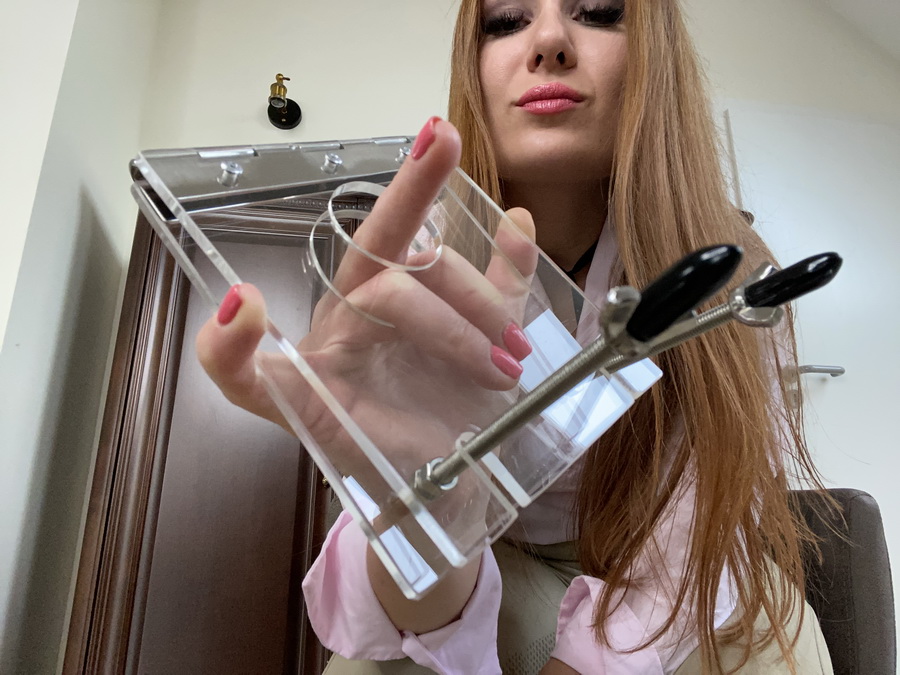

Cock and ball torture (CBT) is a BDSM fantasy that combines controlled pain, anticipation and a power exchange involving the penis or testicles. These structures are vulnerable, so the scene must never be treated as a test of endurance. Freely given consent, very conservative limits, constant communication and immediate release are essential. This guide explains the framework without teaching twisting, tight constriction, injury or escalation.
What CBT means in BDSM
The attraction may come from anticipation, ritual and the feeling of chosen vulnerability. Pain is not proof of devotion, and a dominant role does not give anyone medical or personal ownership. Useful BDSM knowledge starts with the difference between fantasy language and real responsibility.
“Torture” belongs to the roleplay. Outside the role, all adults remain equal and may withdraw consent at any moment. A scene is successful when its limits were respected, not when somebody endured the most.
Consent and communication before play
Discuss hard limits, health concerns, a safeword and a non-verbal stop signal before anything begins. Alcohol, drugs, pressure or fear of disappointing a partner undermine an informed choice. Existing pain, swelling, injury or an unexplained genital condition means postponing CBT and seeking medical advice when appropriate.
A clear approach to planning a BDSM session also covers duration, check-ins, release and what should happen after a stop. Consent to one sensation never implies consent to a stronger or different one.
Control without escalation
Responsible CBT is based on attention, not an escalation plan. Avoid twisting, tight constriction, uncontrolled impact or crushing, and anything that cannot be removed immediately. Any pressure, traction or restraint ends well before numbness, colour change or restricted movement appears.
The active partner watches breathing, skin colour, speech and muscle tension. The receiving partner can pause without having to justify the decision. A safety plan is never permission to push warning signs.
Restraint, circulation and quick release
Any restraint needs an accessible quick release. Breathing, circulation and nerve function must remain observable, and a restrained person is never left alone. Numbness, tingling, unusual cold, pale or blue skin and loss of control are stop signals rather than desired effects.
The principles of BDSM safety, limits and stop signals apply even when the fantasy presents strict authority. Suitable release equipment stays close, but sharp edges must never be introduced near vulnerable anatomy.
Warning signs and urgent care
Sudden severe testicular or groin pain, nausea, marked swelling, discolouration, numbness or pain that persists require an immediate stop. Sudden intense pain, especially on one side, can be a medical emergency. Do not wait, improvise treatment or continue the scene; obtain urgent professional care.
Less dramatic symptoms still deserve attention. Cooling, painkillers or self-diagnosis must not delay assessment when pain is severe, worsening or failing to settle.
Aftercare and an honest review
After play, remove all equipment and check comfort, skin colour and sensation. Water, warmth, space or closeness may help if the receiving person wants them. Aftercare is not a reward for endurance; it is a mutually agreed transition out of the role.
A later check-in can explore what felt right, where uncertainty appeared and which limit should be tighter next time. Discomfort may be assessed differently once adrenaline fades, so follow-up matters.
Avoiding common CBT myths
“More pain means more submission”, “testicles can take it” and “a safeword is enough” are dangerous shortcuts. Bodies vary and a previous scene does not prove current tolerance. Surprise, competition and humiliation without explicit agreement also undermine consent.
People seeking symbolic intensity can use ritual, voice, eye contact and negotiated commands instead. Other BDSM fantasies may create a strong power dynamic without copying physical risk.
Conclusion: control includes stopping early
CBT remains a sensitive, higher-risk activity. Sober consent, conservative boundaries, constant observation, immediate release and clear emergency criteria are non-negotiable. No online guide can replace knowledge of an individual body or professional medical advice.
The clearest sign of control is not intensity. It is recognising a problem early, stopping without debate and placing the person above the fantasy.
What does CBT mean in BDSM?
CBT stands for cock and ball torture, a consensual power and pain fantasy involving the penis or testicles. The name is roleplay language; consent and real-world safety still govern the scene.
Which signs mean stop immediately?
Severe or one-sided pain, nausea, marked swelling, discolouration, numbness, unusual cold or persistent pain require an immediate stop. Sudden severe testicular pain can be a medical emergency.
Is tight constriction suitable for CBT?
No. Tight constriction can endanger circulation and nerves. A safety-led scene avoids it and requires immediate release from any restraint.
Does CBT need a safeword?
Yes, plus a non-verbal signal in case speaking becomes difficult. A safeword never replaces active observation by the person in control.
What belongs in CBT aftercare?
Remove all equipment, check sensation and colour, offer wanted comfort and follow up later. Any pain or concern should be taken seriously.
When is urgent medical help appropriate?
Seek urgent help for sudden severe or one-sided testicular pain, increasing swelling, discolouration, nausea, numbness or pain that does not resolve.




Die Dame nenn sie immer entmannungskünstlerin hat einen Brief von meiner Notarin darin steht das meine geschlechtsorgane sozusagen ihr gehören . Und sie damit tun kann was immer ihr gefalltx