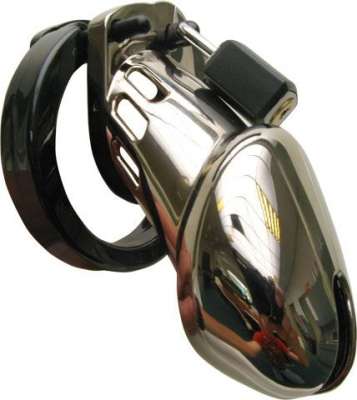
A female keyholder manages an agreed key or release decision within a consensual chastity dynamic. Anticipation, service, trust and bounded power exchange may create the erotic charge. The role never makes one person the property of another.
Chastity combines psychological tension with a close-fitting device. Revocable consent, correct fit, hygiene, unrestricted urination, emergency access and an immediate response to warning signs therefore come before every rule of play.
- 1 Role, power and responsibility
- 2 Define consent and scope
- 3 Check fit and materials
- 4 Hygiene and urination
- 5 Keys and emergency access
- 6 Respond to warning signs without delay
- 7 Rules without duration or punishment escalation
- 8 Privacy, travel and public settings
- 9 Release, aftercare and review
- 10 Verified local guides
- 11 Frequently asked questions
Role, power and responsibility
The keyholder manages a negotiated form of erotic control; she gains no right over the wearer's body, health or ordinary life. Rules apply only in clearly named areas and may be changed or ended at any time.
Responsibility means respecting warning signs, never punishing a safety release as failure, and remaining reachable where agreed. Gender alone does not create competence; knowledge, attention and trust do.
Define consent and scope
Discuss the purpose, each wear period, device-free situations, sleep, work, exercise, travel, sexuality, privacy and healthcare. Consent to chastity is not consent to humiliation, pain, publication or orgasm control.
Agree a safeword, a non-verbal stop and regular check-ins outside role. The wearer keeps access to phone, money, documents, medication, housing and medical care.
Check fit and materials
A device must not chafe or impair nerves and circulation. Select material, edges, lock, ring and spacing according to manufacturer guidance. Bodies change with heat, movement and arousal; an initially comfortable fit does not guarantee later safety.
Do not move directly from a new or modified device to long or unsupervised wear. Allergy, pressure marks or damaged material ends use. Improvised alterations can add sharp edges and pinch points.
Hygiene and urination
The device must allow thorough cleaning and unrestricted urination. Inspect skin and device regularly, dry carefully and follow material-appropriate manufacturer cleaning guidance. Fragrance and harsh cleaners may irritate.
Pain, burning, odour, discharge, sore skin, fever or urinary difficulty is not a normal price of the role. Remove the device and seek clinical advice. Hygiene is never withdrawn as punishment.
Keys and emergency access
Keep an emergency key quickly reachable rather than hiding it as a control tactic. In a remote dynamic, the wearer needs a dependable independent removal route. Safety access outranks the symbol of complete control.
If swelling traps the device or the lock fails, seek professional help rather than cutting near the body. Emergency or medical personnel need honest information about material and circumstances.
Respond to warning signs without delay
Numbness, persistent tingling, coldness, blue or very pale skin, major swelling, increasing pain, bleeding, broken skin or urinary retention means immediate removal. Medical warning signs do not require a safeword first.
Pressure, panic, dissociation or feeling unable to say no freely also ends the dynamic. Do not fit, wear or control a device under alcohol or drugs.
Rules without duration or punishment escalation
Rules may include a short check-in, agreed address or one bounded release decision. They are not extended automatically because someone “managed well” or missed a task. Health is never a reward.
There is no universal safe wear time. Bodies, devices and daily activities differ. Longer, tighter or more frequent is not progress; unsupervised continuous wear is not a target.
Privacy, travel and public settings
Keep the dynamic discreet around colleagues, family, security checks and medical staff as far as safety permits. Do not involve bystanders. Travel may make simple device access necessary.
Photos, apps, location information and digital key management require separate consent and a deletion plan. A lost phone or account must never block emergency removal.
Release, aftercare and review
After removal, check skin, sensation, colour and urination. Cleaning, rest, water, closeness or space may form aftercare. Do not reuse the device until skin and comfort are normal.
A later conversation reviews both the body and the power experience. Revise or end rules without persuasion. A responsible keyholder protects the wearer's ability to exit safely at any time.
Verified local guides
Frequently asked questions
What does a female keyholder do?
She manages keys or release inside a voluntary agreement; she does not own the wearer’s body or rights.
Who needs access to an emergency key?
The wearer must always have a quickly reachable emergency key or an equally safe independent removal method.
Which warning signs require immediate removal?
Pain, numbness, coldness, colour change, major swelling, broken skin, urinary difficulty or a stuck device.
How long can a chastity device be worn?
There is no universal safe duration; manufacturer guidance, individual fit, frequent checks and stopping at symptoms matter.
Can hygiene be withheld as punishment?
No. Cleaning, drying, urination and medical access are never restricted.
Must keyholding keep becoming more intense?
No. Longer, tighter or unsupervised wear is not progress and must not become an automatic goal.