

Edging means deliberately slowing or pausing stimulation before orgasm, then building arousal again later. It can be enjoyable alone or with a partner. A stronger orgasm is not guaranteed: some people mainly enjoy prolonged arousal, while others experience frustration or overstimulation.
This native English version removes rigid schedules, escalation ladders and outcome claims from the legacy copy. The priorities are voluntary consent, realistic expectations, breaks, attention to physical feedback and the freedom to stop or allow orgasm at any time.
- 1 What edging is – and what it cannot promise
- 2 Solo or partnered: consent stays central
- 3 The start-stop method without a rigid formula
- 4 Communication during partnered edging
- 5 Variations without unnecessary equipment
- 6 Overstimulation and physical warning signs
- 7 Take frustration, drop and aftercare seriously
- 8 Conclusion: arousal with choice, not a success test
- 9 Frequently asked questions about edging
What edging is – and what it cannot promise
Edging explores the individual threshold just before orgasm. That threshold can change with stress, medication, hormones, fatigue and the type of stimulation. There is no ideal number of rounds and no required session length.
Edging is not medical treatment and cannot guarantee a bigger orgasm or greater stamina. Adults exploring control fantasies can find further consensual context under BDSM fantasies.
Solo or partnered: consent stays central
For solo play, choose a personal stopping rule: you may end without completing a planned round. With a partner, agree who stimulates, when pauses happen and whether orgasm is wanted at all.
Consent to edging is not blanket permission for frustration, humiliation or denial. It can be withdrawn at any moment, including in dominance or tease-and-denial play. individual safety in BDSM matters more than staying in role.
The start-stop method without a rigid formula
Notice changes in breathing, muscle tension and sensitivity. As arousal rises sharply, reduce or pause stimulation. Resume only if that feels comfortable. Changing position or touch can help, but is optional.
If overstimulation remains after a break, end the session. Rules such as “always three rounds” or “at least twenty minutes” ignore individual responses. Responsive play is safer than a performance target.
Communication during partnered edging
Agree clear words for slower, pause and stop, plus a non-verbal signal. The stimulating partner checks in instead of guessing body language. Silence or freezing is not consent. Surprise orgasm denial can be emotionally difficult and does not belong in a scene without agreement.
For longer or power-based scenes, the guide to planning a BDSM session provides a framework from negotiation to aftercare. A time limit and shared exit plan reduce pressure.
Variations without unnecessary equipment
Edging can involve hands, body contact or suitable toys, but no product is required. Change intensity through pace, pressure, rhythm or a complete pause. More stimulation is not automatically better.
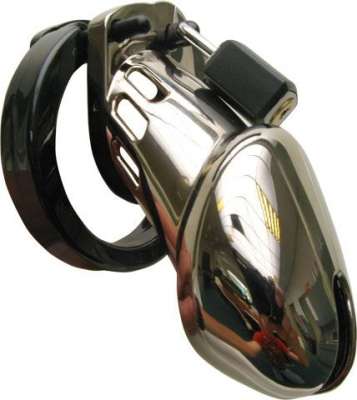
This version deliberately omits chastity-cage and long-term challenge instructions. Those practices have separate risks and are not necessary for edging. The BDSM knowledge hub explains related terms and dynamics.
Overstimulation and physical warning signs
Temporary sensitivity can follow prolonged stimulation. Stop for pain, burning, numbness, marked swelling, colour change, broken skin, dizziness or trouble urinating. Numbing products hide useful warning sensations and are unsuitable.
Persistent pain, numbness, swelling, erectile difficulty or urinary symptoms deserve medical advice; severe or suddenly worsening symptoms need urgent assessment. An online guide cannot diagnose an injury.
Take frustration, drop and aftercare seriously
Edging may create anticipation, focus and closeness, but it can also cause frustration, irritability, performance pressure or an emotional low. None of these reactions proves that a session was right or wrong. What matters is whether everyone remains comfortable and free to choose.
Aftercare may mean rest, water, touch, space or conversation. Check in again later. Repeated pressure, compulsive feelings or distress are reasons to change the pattern or take a break.
Conclusion: arousal with choice, not a success test
Good edging depends on attention and choice: notice arousal, adjust pace, allow breaks and stop without justification. Orgasm may happen or not; its intensity cannot be promised.
Partners discuss limits, stop signals and aftercare in advance. Solo players treat fatigue, pain and overstimulation as valid reasons to end. That keeps edging an option rather than an obligation.
Frequently asked questions about edging
What does edging mean?
Edging means reducing or pausing stimulation shortly before orgasm and building arousal again later. There is no required duration or number of rounds.
Does edging always make orgasm stronger?
No. Some people notice more intensity, others little difference, frustration or overstimulation. A stronger orgasm cannot be guaranteed.
Can edging be practised alone?
Yes. Set stopping criteria, take breaks and end the session for pain, numbness, burning or distress.
What does partnered edging require?
A specific agreement about stimulation, pauses, the desired ending, stop signals and aftercare. Consent remains reversible.
Which warning signs mean stop?
Pain, burning, numbness, marked swelling, colour change, broken skin, dizziness or difficulty urinating mean stop and reassess.
When is medical advice appropriate?
For persistent pain, numbness, swelling, erectile difficulty or urinary symptoms; severe or suddenly worsening symptoms need urgent assessment.