

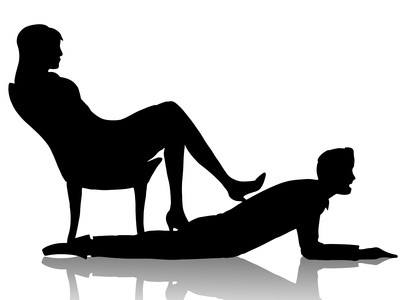
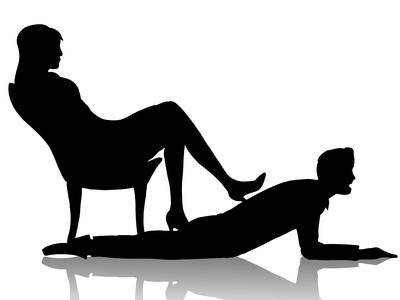
Trampling is consensual BDSM play in which feet or footwear may symbolise dominance, closeness or pressure. Its appeal can be visual, sensory or psychological. Once body weight is transferred, however, it creates a real mechanical load that can change suddenly through a small loss of balance, an unstable heel or an unexpected movement.
This guide is not an escalation programme and cannot guarantee safety. It explains a cautious, tightly limited approach for adults: unrestricted breathing, absolute no-pressure areas, stable support, controlled weight transfer, a spotter or secure handhold, and unambiguous stop signals. Anyone who is uncertain can keep the scene to symbolic contact with no transferred weight.
- 1 What trampling means and why it may appeal
- 2 Use specific consent, never blanket permission
- 3 Keep the head, neck, chest, abdomen and spine free of pressure
- 4 Prepare the surface, support and spotter
- 5 Control weight transfer and remain able to unload completely
- 6 Use broad contact and protect joints
- 7 Shoes and heels change pressure, grip and hygiene
- 8 Monitor breathing, circulation and communication throughout
- 9 Act on stop signals and acute warnings without delay
- 10 Use aftercare and review without pressure to escalate
- 11 Local guides and categories for related context
- 12 Sources and medical limits
- 13 Frequently asked questions about trampling
What trampling means and why it may appeal
Trampling may be staged with bare feet, hosiery or selected footwear. Some people enjoy the look of feet or shoes, while others value the power exchange, displayed superiority or carefully limited contact. Shoe fetish, foot fetish and trampling may overlap, but they are not the same activity and require separate negotiation.
The word does not specify how much weight is transferred. A photo pose, a sole held above the body, light contact and actually standing are distinct acts. Consent to one does not include the others. The more cautious choice is always the version that creates the desired atmosphere with the least load.
Use specific consent, never blanket permission
Discuss clothing, shoes, permitted contact surfaces, maximum duration, language and excluded acts individually. Consent to dominance does not mean consent to pain, humiliation, shoe contact with the face or full weight bearing. A no or change of mind carries no penalty.
Existing symptoms, previous injuries, limited mobility, circulation or breathing concerns and medication belong in the personal risk decision. This article cannot assess them. Alcohol and other intoxicants reduce balance, perception and reaction, so they do not fit an activity where one misplaced step can matter.
Keep the head, neck, chest, abdomen and spine free of pressure
The head and neck contain the brain, airway and major vessels. The chest and abdomen must move freely for breathing and contain vulnerable organs. The spine must not be directly loaded or twisted. These are not beginner areas, and this guide does not recommend pressure there for experienced participants either.
A cushion does not make pressure on an excluded area safe. Nor does a brief duration, lower body weight or absence of immediate pain turn a hazardous position into a reliable method. If the location or anatomy is unclear, do not transfer weight.
Prepare the surface, support and spotter
The floor should be level, dry, non-slip and clear of objects. Soft mattresses, sofa edges and loose blankets make footing unpredictable. The standing participant needs fixed support designed to withstand sideways force; unstable furniture, radiators and improvised poles are not handrails.
A sober, attentive third person can act as spotter, observing balance and communication without adding pressure. A secure handhold with someone positioned outside the contact area is another option. The spotter does not make an unsafe position safe and needs authority to call stop. Keep lighting, phone access and the exit route clear.
Control weight transfer and remain able to unload completely
The conservative version keeps most body weight on the floor or on purpose-designed stable support. Establish contact slowly, without jumping, bouncing or a surprise step. The standing participant must be able to lift the contacting foot completely at once without stepping over the other person or searching for balance.
Use frequent check-ins. Do not test weight transfer against a pain threshold or increase it in predetermined levels. Scales, percentages and prior experience cannot guarantee an individual person’s tolerance. If stability, clear visibility or a meaningful reply is lost, remove all weight.
Use broad contact and protect joints
If any loaded contact is planned, avoid bony edges, joints, the kidney area and all existing injuries. A broad, flat surface spreads force less narrowly than an edge, but that does not make any body area safe. The position must not twist a joint or interfere with independent breathing and speech.
For a first scene, symbolic contact is enough: a clean bare foot or flat sole briefly touches a previously agreed large muscular area while weight stays elsewhere. Kneeling on the person, rocking, dropping down and dynamic “walking” on the body are not part of a low-load beginner plan.
Shoes and heels change pressure, grip and hygiene
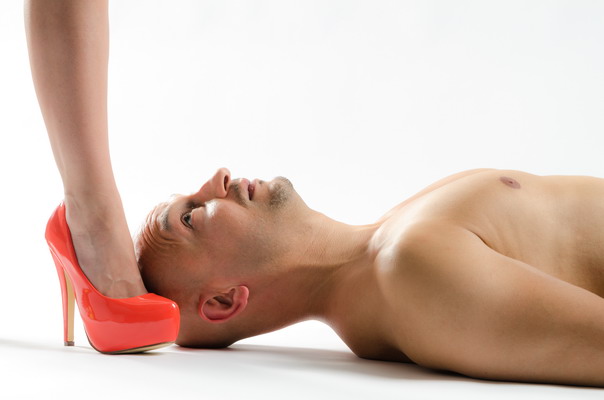
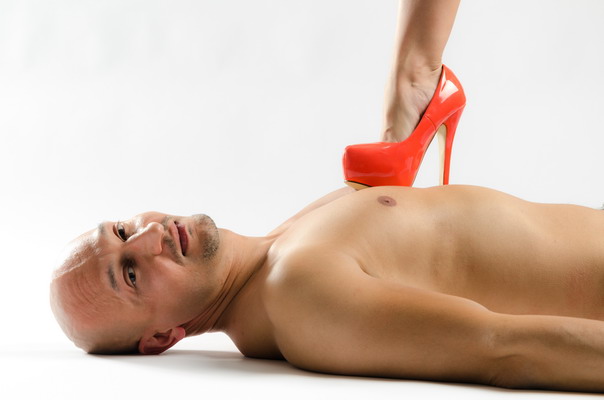
A heel or hard sole edge concentrates force into a small point. High footwear also increases the chance of slipping, ankle instability and an unintended step. Beginners should use bare feet, clean hosiery or a flat stable shoe without full weight. Spikes, metal details, damaged soles and unstable heels are excluded.
Outdoor soles carry dirt, grit and residues. Reserve a clean, inspected pair for body contact and care for it according to the manufacturer. Check for embedded objects, sharp edges and wear before the scene. Cleanliness may reduce contamination but does not make pressure or a fall harmless.
Monitor breathing, circulation and communication throughout
The person underneath must breathe normally, move their head freely and give meaningful answers. Add an easy non-verbal stop signal, such as dropping a held object or making a distinct hand movement. Silence, laughter, role language and having tolerated an earlier interval are not current permission.
Dizziness, nausea, unusual pallor, cold sweat, confusion, rapid shallow breathing, chest pain, numbness or a marked colour change mean immediate full unloading. Do not first adjust footwear or finish the pose: remove weight, speak to the person and arrange appropriate help according to their condition.
Act on stop signals and acute warnings without delay
A stop signal ends the activity without negotiation and without “one last step”. The spotter and the standing participant may also stop at any time. A fall, suspected head or spinal injury, breathing trouble, chest or severe pain, altered consciousness or lack of response turns the scene into a medical emergency requiring professional help under local guidance.
Do not move an injured person unnecessarily. First aid follows recognised training and instructions from emergency dispatchers. This article replaces neither training nor clinical assessment. A brief contact can still matter; symptoms that worsen or recur need appropriate professional review.
Use aftercare and review without pressure to escalate
After contact, change position slowly and allow circulation to settle. Check skin, movement, sensation and breathing without rushing. Offer water, warmth, distance or closeness as preferred. Treat visible marks, pressure tenderness or uncertainty as information to monitor, not trophies to dismiss.
Later, review stability, communication, footwear, contact areas and the response to stop. A positive experience creates no duty to advance. There is no sensible automatic path from symbolic touch to more weight, heels or dynamic movement. The same light version may remain the right one indefinitely.
These direct English-shop pages connect footwear and fetish information, hosiery, BDSM guides and bondage equipment. They are not approval for weight-bearing techniques:
Sources and medical limits
Statements about consent, restraint-related breathing risk, chest injury and sprain warnings are grounded in official sources. They cannot diagnose an injury or guarantee safe execution:
- Planned Parenthood: Sexual consent
- UK Government: Reducing risk in physical intervention
- Healthdirect Australia: Chest injuries
- NHS: Sprains and strains
Trampling does not need maximum load to work as dominance play. Absolute no-pressure areas, stable footing, controlled weight transfer, a spotter or secure handhold, clear signals and immediate unloading reduce risk but cannot remove it. Keep the head, neck, chest, abdomen and spine unloaded at all times.
Frequently asked questions about trampling
Which body areas are excluded from trampling?
Never stand or apply pressure on the head, neck, chest, abdomen or spine. Keep joints, injuries and prominent bony areas free as well.
Are high heels suitable for beginners?
No. Heels concentrate pressure and increase slipping, ankle instability and misstep risk. A low-load version uses flat stable contact without full weight.
What does a spotter do?
A sober third person watches balance, communication and surroundings and can order immediate unloading. A spotter does not rescue an unsafe plan.
How should a stop signal work?
Pair a clear word with an accessible hand movement or dropped object. Any signal results in immediate full unloading, without negotiation.
Which warning signs require an immediate stop?
Breathing difficulty, chest pain, dizziness, nausea, confusion, numbness, severe pain, colour change, a fall or lack of response require unloading and possibly emergency help.
Does trampling need gradual escalation?
No. There is no escalation programme. Symbolic contact or a permanently very light version may provide the desired experience.


Kenne das als Massage
Ich kenne Trampling nur als Massageart. Oder verwechsel ich das etwa? Wenn jemand sitzt und der andere mit den Füßen den Rücken sanft tritt, ist das doch Trampling? Oder wenn man eben über den Körper läuft, während der andere liegt. Okay ich lese mir den Beitrag jetzt erstmal aufmerksam durch! Man lernt nie aus. Ihr habt immer sehr interessante Blogbeiträge. Finde euch echt super!
Meine Erfahrung mit Trampling habe ich auf einen Bürgersteig erfahren und mußte echt staunen das es angenehm sein kann wenn die richtigen Menschen mit recht guten Gewicht für mich, was nicht so leicht ist recht gut Spaß machen kann. Bei mir kann ich es sagen, das es 2.Personen auf einen harten Weg wie ein Bürgersteig, Pflaster bevorzugt für mich gemacht haben um nicht weckzurutschen und den Schuhesohlen wohlbei es bei mir mit Stahlkappenschuhen also Arbeitsschuhe mit einer sehr angenehmen Harten Schuhesohle geklappt hat. Ich habe mich genau auf dem Bürgersteig läglich daraufgelegt auf meinen Bauch in meiner Körperlänge und die 2.Personen je über 120Kg haben mich als Trampling benutzt und sind richtig mehrmals nach meinen wünschen auf mir drauf herumgelaufen stehen geblieben und ich habe es für sehr angenehem gefunden.Mann sollte aber auch Pausen machen um sich wieder mit etwas Kraft für seinen Körper zu bekommen. Natürlich macht es mir aber auch viel Freude dabei einfach mal als Fussweg und somit als Trampling unter den Füßen der Menschen liegen zu dürfen. Der Gehweg Bürgersteig hält mehr aus als wir Menschen.Mann muss wirklich danch suchen um sich als Trampling beutzen zu lassen von anderen Menschen. Ich selber habe schon immer daran freude gehabt um auch mal so richtig unter anderen schweren Menschen oder halt auch schwerre Füße und recht harte Schuhesolen zu fühlen, bitte keine Stöckel Schuhe. Ansonsten darf man gerne auf mir drauf Rumtramppel als wäre ich ein Bürgersteig kein Witz. Für mich sehr angenehm unter den Schuhesohlen der Menschen ob Frau oder Mann zu liegen. Bei mir oftmals Menschen mit mehr als 130kg solche Personen stehen auf meinen Körper. Ich habe keine Schmerzen wenn solche Menschen auf mir drauf Rumlaufen oder längere Zeit darauf stehen bleiben möchten, aber auch meine Hände Kommpett unter den Füßen der schweren Menschen.
Ich hoffe doch liebe Verena das ich etwas helfen konnte. Nun aber viel Spass beim finden der Menschen für ein Tampling unter den Schuhesohlen zu finden